
Why Natural Grass Sports Fields Fail in Winter (and What to Do Instead)
Natural grass fields often struggle to perform through winter. Increased rainfall, lower temperatures, and reduced sunlight all impact how well the surface holds up under use. For schools and clubs, this typically results in closures, surface damage, and inconsistent play conditions.
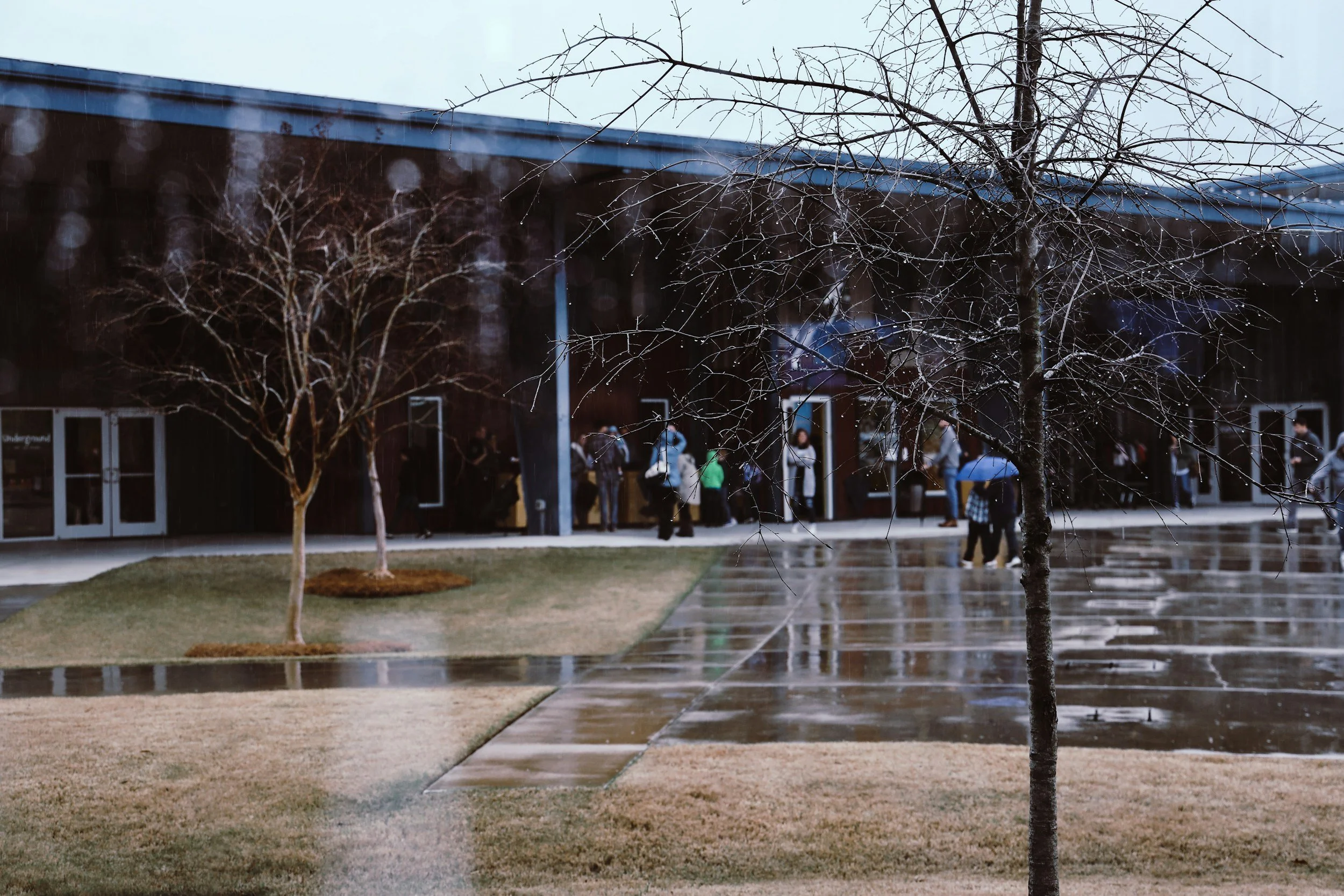
Why do natural grass sports fields fail in winter?
There are several key reasons natural turf does not perform reliably during winter months.
Poor drainage and waterlogging
Winter brings higher rainfall and saturated ground conditions.
· Soil becomes compacted and holds water
· Surfaces become soft, muddy, and unstable
· Standing water reduces usability
Once waterlogged, fields are often closed to prevent further damage.
Surface damage from repeated use
Natural grass cannot recover quickly in winter.
· High foot traffic tears and displaces grass
· Mud patches develop in high-wear areas
· Goal mouths and centre fields deteriorate first
With limited sunlight and growth, recovery is slow or non-existent during the season.
Reduced grass growth
Grass growth slows significantly in colder temperatures.
· Less sunlight and lower soil temperatures limit regeneration
· Damaged areas remain exposed
· Surfaces become uneven and inconsistent
This impacts both safety and playability.
Safety concerns
As conditions deteriorate, injury risk increases.
· Slippery, uneven surfaces
· Hidden holes or soft spots
· Poor traction for players
This often leads to restricted use or full closure of the field.
High maintenance with limited results
Maintaining natural grass through winter becomes more difficult and less effective.
· Ongoing repairs, reseeding, and drainage work
· Increased costs for limited improvement
· Surfaces still struggle to meet usage demands
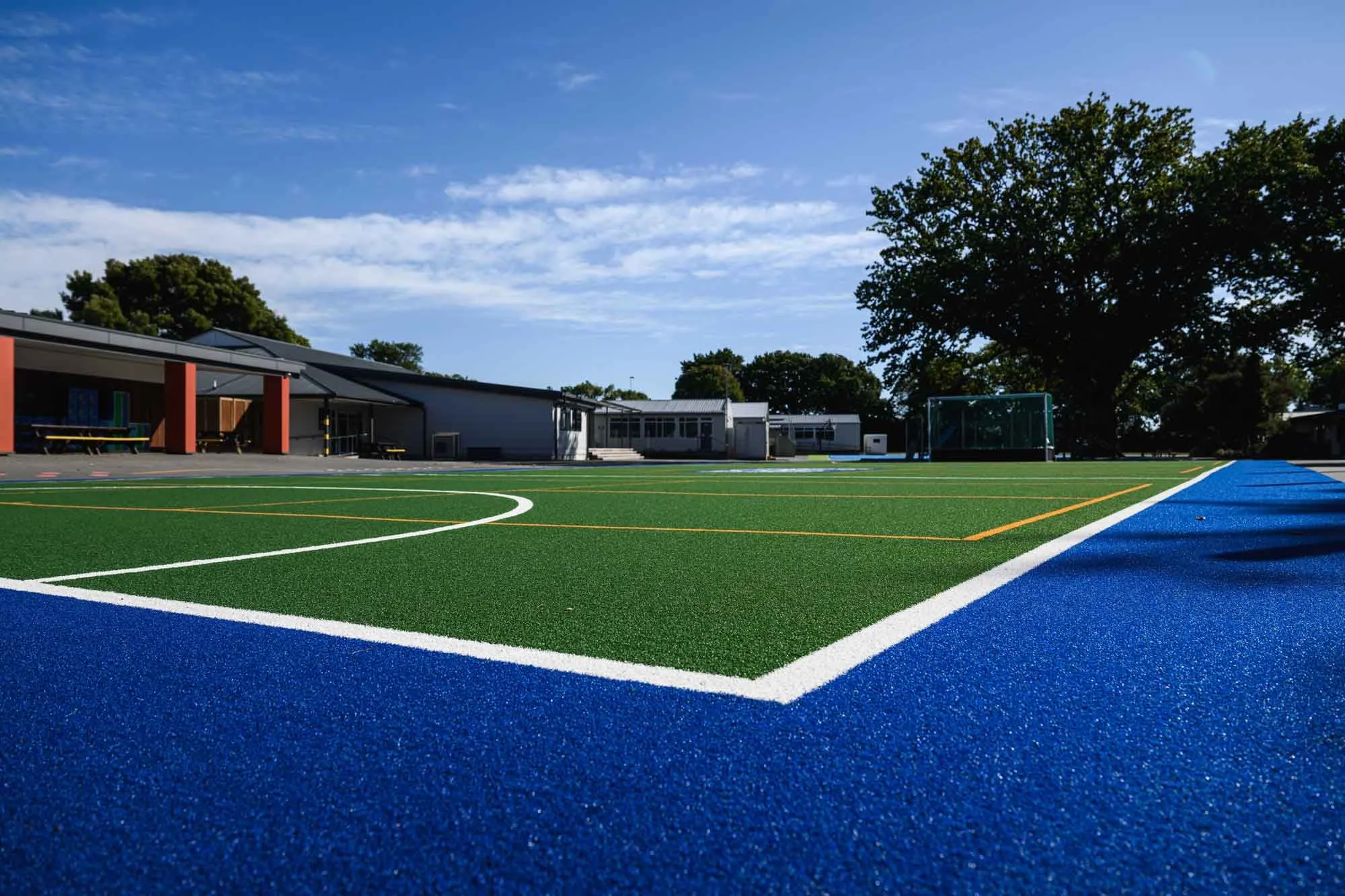
Sportsplay provides surface systems designed to perform in winter conditions where natural grass cannot. Our artificial turf systems are fully permeable, allowing water to drain through quickly and preventing surface saturation, while maintaining a stable and consistent playing area under heavy use.
For multi-sport and high-traffic environments, systems such as Stamina are constructed with high-density fibres and reinforced backing to handle daily load without deterioration. Where safety is a requirement, shockpad layers can be integrated to meet critical fall height standards. These systems are built to ensure year-round usability, reduced downtime, and consistent performance across school and club environments.
What to do instead
For schools and clubs needing reliable winter use, turf surface systems provide a more consistent solution.
Artificial turf systems
Artificial turf is designed for all-weather performance.
· Fully permeable for effective drainage
· Maintains structure under heavy use
· Suitable for multi-sport and general recreation
Can be paired with shockpad for added safety and compliance where required.
Key takeaway
Natural grass fields are limited by weather, growth cycles, and recovery time. In winter, these limitations become more pronounced, leading to reduced usability and increased maintenance.
Need a more reliable winter surface?
Sportsplay designs and installs durable surface systems for schools, clubs, and community facilities across New Zealand. We focus on solutions that perform under pressure and remain usable year-round.