
How Much Does Sports Field Maintenance Really Cost?
Maintaining natural sports fields is an ongoing operational cost for schools, clubs and community facilities. While initial construction costs are often budgeted for, long term maintenance requirements are commonly underestimated. Over time, labour, irrigation, repairs and weather related downtime can place significant pressure on facility budgets and field availability.
At Sportsplay, we work with organisations looking for durable, lower-maintenance surface solutions designed for high-use environments.
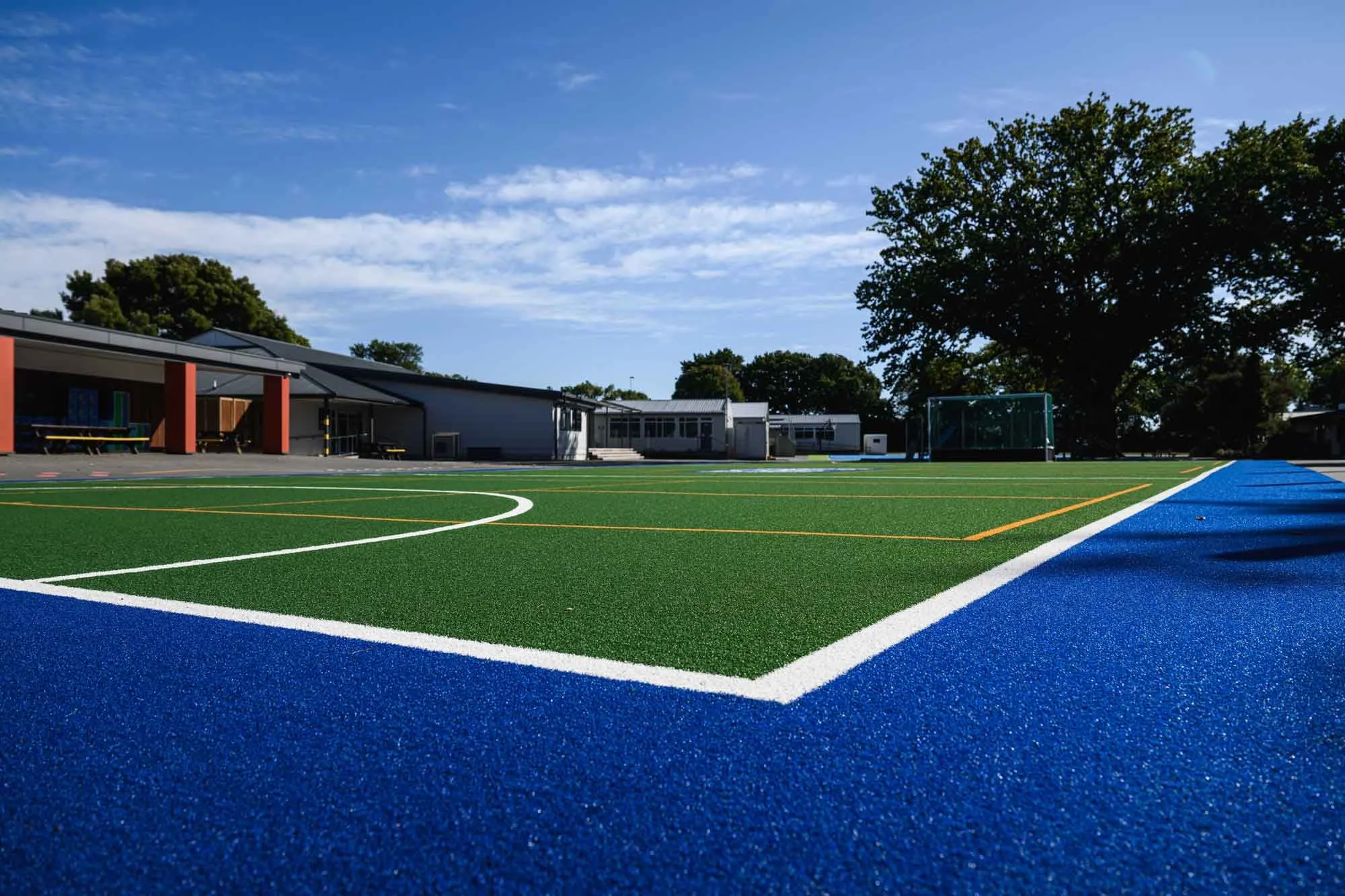
The Ongoing Cost of Natural Sports Fields
Natural grass surfaces require continual maintenance to remain safe and usable.
Typical maintenance costs can include:
Mowing and edging
Irrigation and water usage
Fertiliser and chemical treatments
Aeration and topdressing
Line marking
Weed and pest control
Surface repairs and reseeding
Drainage management
Labour and contractor costs
For schools and clubs, these costs continue year after year.
High-use fields also experience:
Worn goal mouths
Mud and surface degradation
Compaction
Uneven playing surfaces
Reduced winter usability
In many cases, fields require seasonal closures or restricted use to allow recovery.
The Hidden Cost of Downtime
Maintenance costs are not just financial.
When fields become unusable due to rain, wear or surface damage, facilities often face:
Cancelled training sessions
Reduced field access
Increased scheduling pressure
Safety concerns
Ongoing repair work
For schools and community facilities operating multiple sports programmes, field reliability becomes a major operational factor.
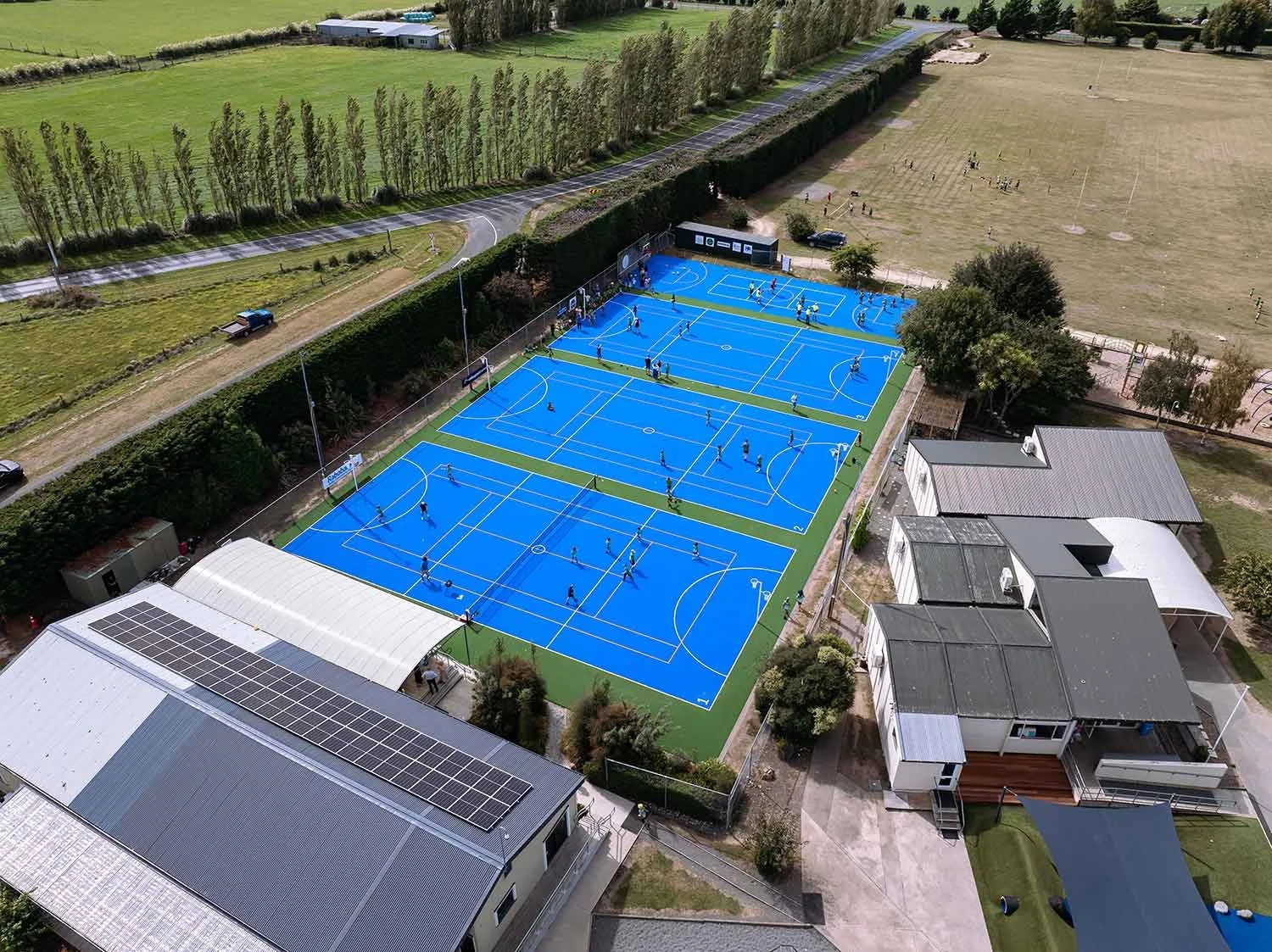
Artificial Turf and Sports Surfacing Alternatives
Modern artificial turf and sports surfacing systems are designed to reduce ongoing maintenance requirements while increasing year-round usability.
Compared to natural grass, synthetic systems can provide:
Reduced maintenance requirements
Improved drainage
Increased durability
Consistent surface performance
Reliable year-round access
Reduced recovery time between use
This is particularly beneficial in:
High-use school environments
Multi-sport facilities
Community recreation areas
Clubs with limited maintenance resources
Maintenance Still Matters
Artificial turf systems are not maintenance-free.
However, maintenance requirements are generally more predictable and less intensive than natural turf management.
Typical maintenance may include:
Surface grooming
Infill redistribution
Debris removal
This helps reduce:
Ongoing labour demands
Water usage
Surface reinstatement costs
Weather-related maintenance disruption
Long-Term Asset Planning
When comparing surface options, it is important to consider total lifecycle cost rather than initial installation cost alone.
Factors to assess include:
Expected usage levels
Maintenance budgets
Surface lifespan
Downtime impact
Safety requirements
Drainage performance
Multi-sport capability
For many schools and clubs, lower operational costs and increased usability can offset higher upfront construction investment over time.
Surface Performance and Safety
High-use environments require surfaces that perform consistently under pressure.
Sportsplay systems are designed to support:
Reliable traction and grip
Surface consistency
Improved drainage performance
Reduced mud and wear
Safer recreational environments
We also work with systems designed to align with:
NZS 5828 playground safety requirements
Critical Fall Height (CFH) standards where required
PlaySafe New Zealand compliance pathways
Relevant NZ and international testing standards
Built for Performance
Sportsplay designs and installs sports and recreation surfaces for schools, clubs and community facilities throughout New Zealand.
Our focus is practical:
Durable systems
Reduced maintenance
Reliable year-round use
Safer surfaces
Consistent performance in demanding environments
We build surfaces designed to handle long-term use with reduced operational disruption.